
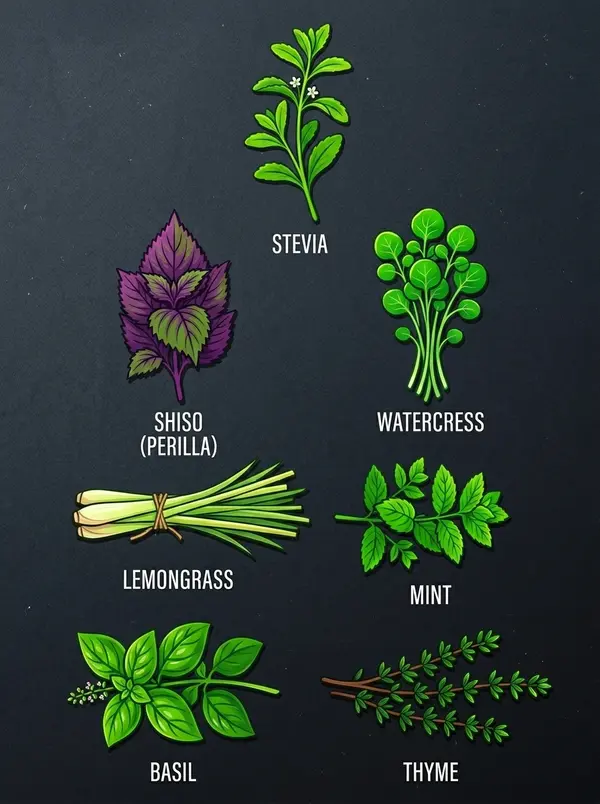
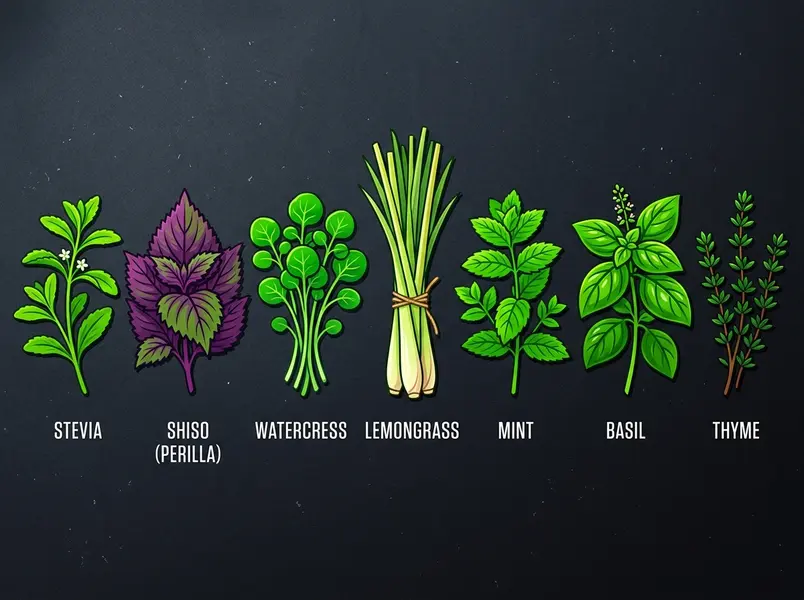
Before pharmacies, there were gardens. For thousands of years, herbalists, monks, and healers across the world grew their remedies in monastery courtyards, along streams, beside fountains. Mint refreshed Roman banquet guests. Watercress kept Hippocrates' patients alive. Shiso pulled Japanese fishermen back from the brink of poisoning.
These seven medicinal plants carry centuries of history, myth, and forgotten wisdom.
Stevia
The Honey Leaf
Journey into History
Long before the arrival of European explorers during the Renaissance, the indigenous peoples of South America (such as the Guarani) had been using it for centuries to soften the bitterness of their traditional beverages.
Culinary Properties
A true natural, zero-calorie sweetener, it can be used either fresh or dried to delicately sweeten teas, coffees, and desserts.
Medicinal Properties
An excellent blood sugar regulator, it is currently being studied for its potential in managing diabetes. It is also believed to have mild hypotensive properties.
Journey into History
Long before the arrival of European explorers during the Renaissance, the indigenous peoples of South America (such as the Guarani) had been using it for centuries to soften the bitterness of their traditional beverages.
Legend : The Gift of the Earth's Daughter
« According to an ancient Guarani legend from Paraguay, the gods created stevia, which they called Ka'a He'ê (the sweet herb), to comfort a pure-hearted young girl named Kéru, who wept over the hardships faced by her people. The deities gifted her this magical plant so that by blending it into their yerba mate (a highly bitter herb), her people would find sweetness, energy, and the joy of living. »
Shiso (Perilla)
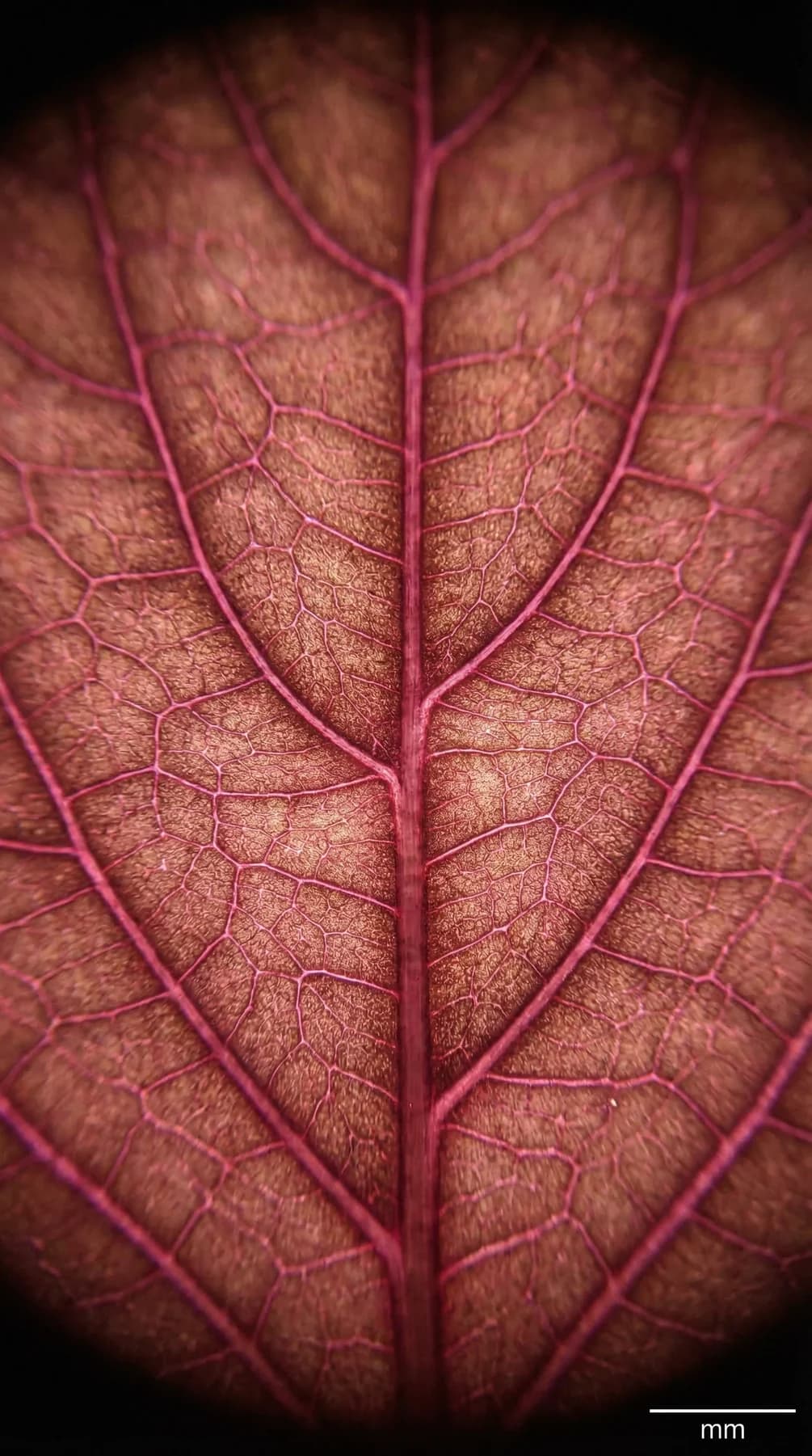
The Purple and Green Marvel
Journey into History
Integrated into traditional Chinese medicine (as well as Japanese Kampo) since ancient times, this aromatic herb was highly prized by Buddhist monks for its calming effects.
Culinary Properties
Boasting a complex and fascinating flavor profile—a subtle blend of mint, basil, anise, and cinnamon—shiso is the traditional accompaniment for sushi, sashimi, and tempura in Japan. In Korea, its leaves are often enjoyed pickled under the name kkaennip.
Medicinal Properties
In addition to being rich in iron, it is renowned for its powerful anti-allergic properties. In Asia, it has traditionally been used to soothe stomach aches and prevent food poisoning.
Journey into History
Integrated into traditional Chinese medicine (as well as Japanese Kampo) since ancient times, this aromatic herb was highly prized by Buddhist monks for its calming effects.
Legend : The Miracle of the Otter
« A Chinese legend tells the story of the renowned ancient physician Hua Tuo. One day, he observed an otter greedily devour clearly toxic fish. Writhing in pain, the animal swam frantically to the shore to eat the purple leaves of a plant growing by the water: shiso. The otter was cured instantly! Hua Tuo then realized that this herb was the ultimate antidote for seafood poisoning. »
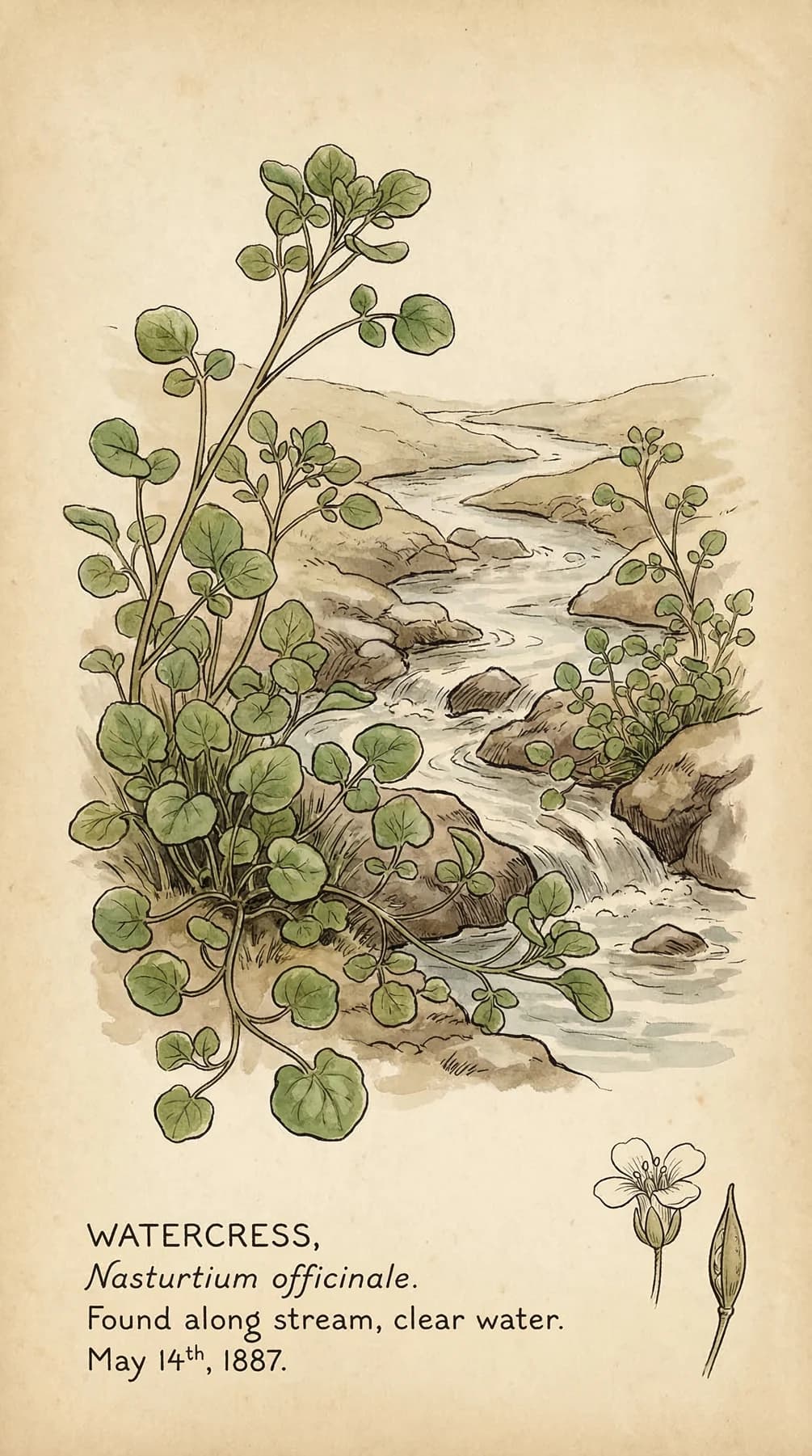
Watercress
The Green Gold of Streams
Journey into History
Around 400 BC, Hippocrates, the father of medicine, deliberately built his first hospital on the island of Kos near a natural stream. His goal? To ensure his patients had constant access to fresh watercress for their treatments.
Culinary Properties
Known for its peppery and zesty flavor, it is ideal for elevating salads, garnishing meats, or preparing the famous and comforting watercress soup.
Medicinal Properties
This plant is a true historical superfood! Packed with vitamin C, iron, and calcium, this powerful detoxifier was long used by sailors to prevent scurvy.
Journey into History
Around 400 BC, Hippocrates, the father of medicine, deliberately built his first hospital on the island of Kos near a natural stream. His goal? To ensure his patients had constant access to fresh watercress for their treatments.
Legend : The Herb of the Mind
« In Ancient Greece, watercress was reputed to cure madness and stimulate the intellect. A famous proverb of the time advised those with numb minds: “Ἔσθιε κάρδαμον” (Eat watercress and learn more). It was believed that the plant's vibrant strength had the power to awaken the brain. The Persians, sharing this belief, even fed it to their children before sending them to school to sharpen their intelligence. »
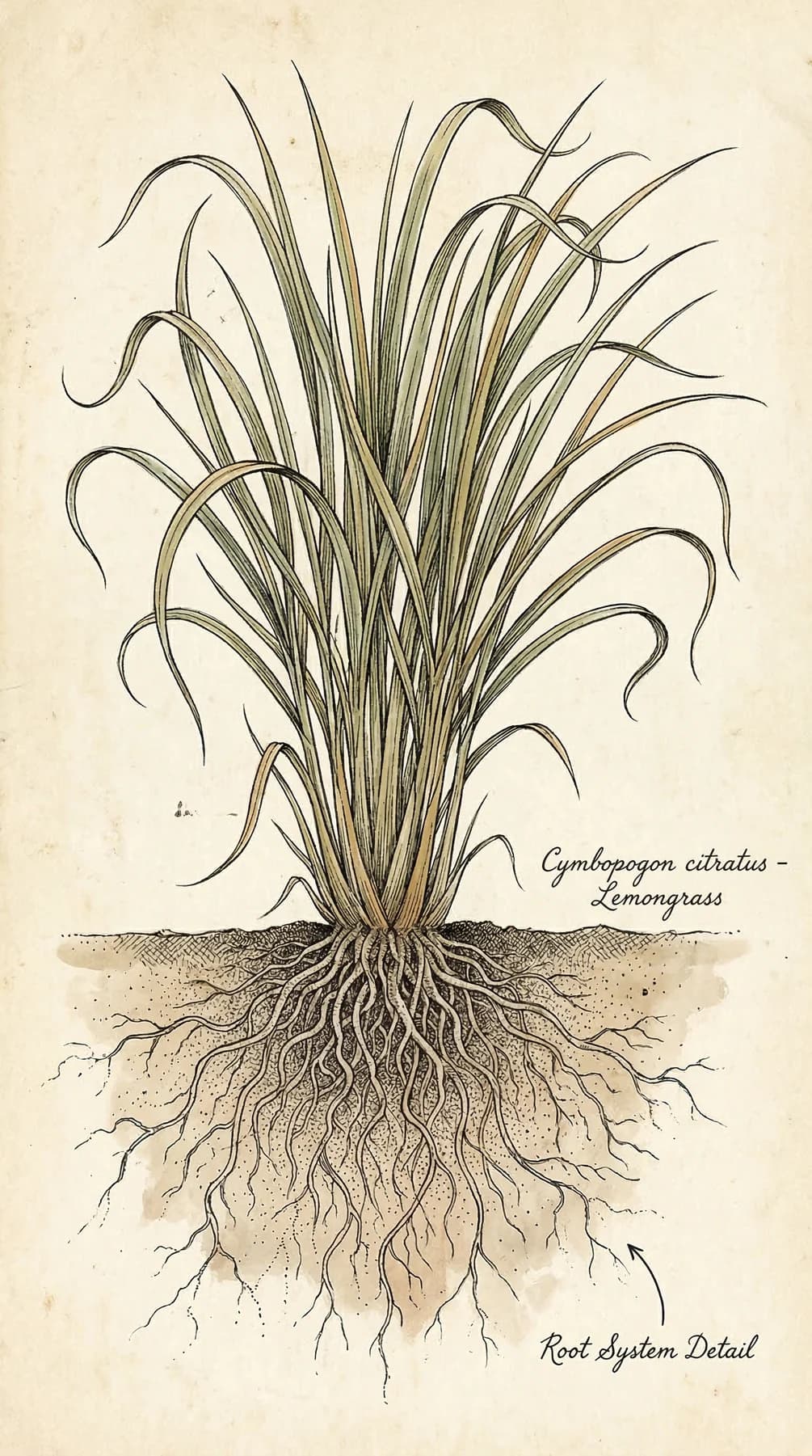
Lemongrass
The Herb of Light
Journey into History
Used since ancient times in South Asia for its powerful medicinal properties, it was introduced more widely to Europe during the maritime trade routes of the Renaissance, primarily to perfume cosmetics.
Culinary Properties
It is absolutely essential in Southeast Asian cuisine, particularly in Tom Yum soups, curries, and marinades. It also makes for delicious, soothing infusions.
Medicinal Properties
It is excellent for digestion and possesses calming properties that aid in sleep. Furthermore, it is globally recognized as a highly effective natural mosquito repellent.
Journey into History
Used since ancient times in South Asia for its powerful medicinal properties, it was introduced more widely to Europe during the maritime trade routes of the Renaissance, primarily to perfume cosmetics.
Legend : The Shield Against Pontianaks
« In Malaysian and Indonesian folklore, lemongrass is considered a magical, protective plant. It is often planted around houses or hung on doors to ward off evil spirits, especially the dreaded Pontianak (a vengeful female spirit). Legend has it that the clean, sharp scent of the plant burns malevolent entities and purifies the space. »
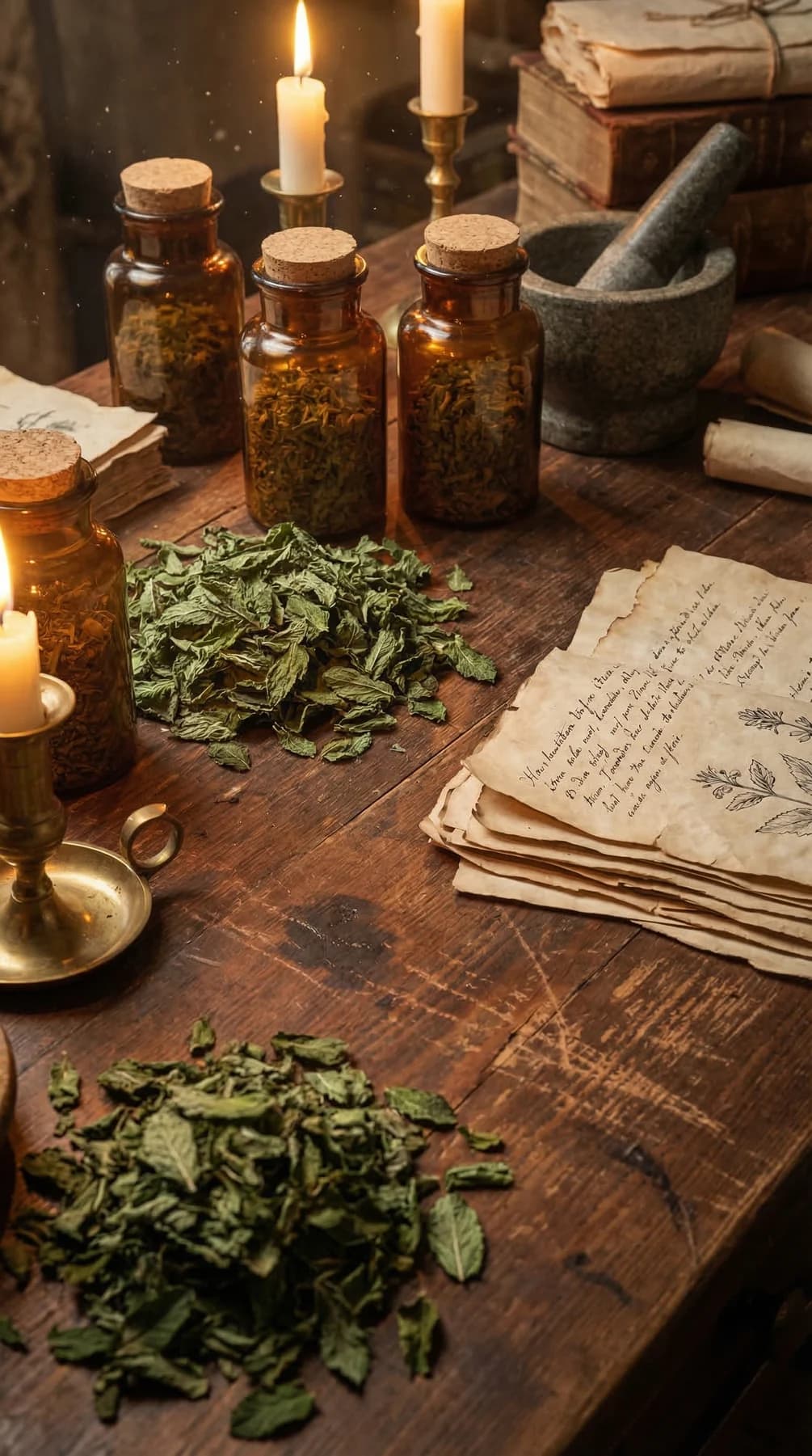
Mint
The Refreshing Invader
Journey into History
In ancient times, the Egyptians used it in their ointments. The Romans, on the other hand, wove it into crowns for their guests during banquets to stimulate the appetite... and discreetly mask the smell of alcohol!
Culinary Properties
It is absolutely essential in teas, desserts, summer salads (like tabbouleh), and many Middle Eastern dishes. It stands out with its crisp and intensely refreshing flavor.
Medicinal Properties
It is a fantastic ally for the body: it aids digestion, relieves intestinal spasms, and soothes nausea and headaches. Furthermore, its menthol provides a powerful cooling effect.
Journey into History
In ancient times, the Egyptians used it in their ointments. The Romans, on the other hand, wove it into crowns for their guests during banquets to stimulate the appetite... and discreetly mask the smell of alcohol!
Legend : The Nymph Turned into a Plant
« In Greek mythology, Minthe was a beautiful water nymph who captured the heart of Hades, god of the Underworld. His wife, Persephone, driven mad by jealousy, trampled the nymph until she transformed into a small, insignificant plant. Unable to undo the curse, Hades gave her a captivating scent so that whenever her leaves were crushed, the world would remember her presence. »
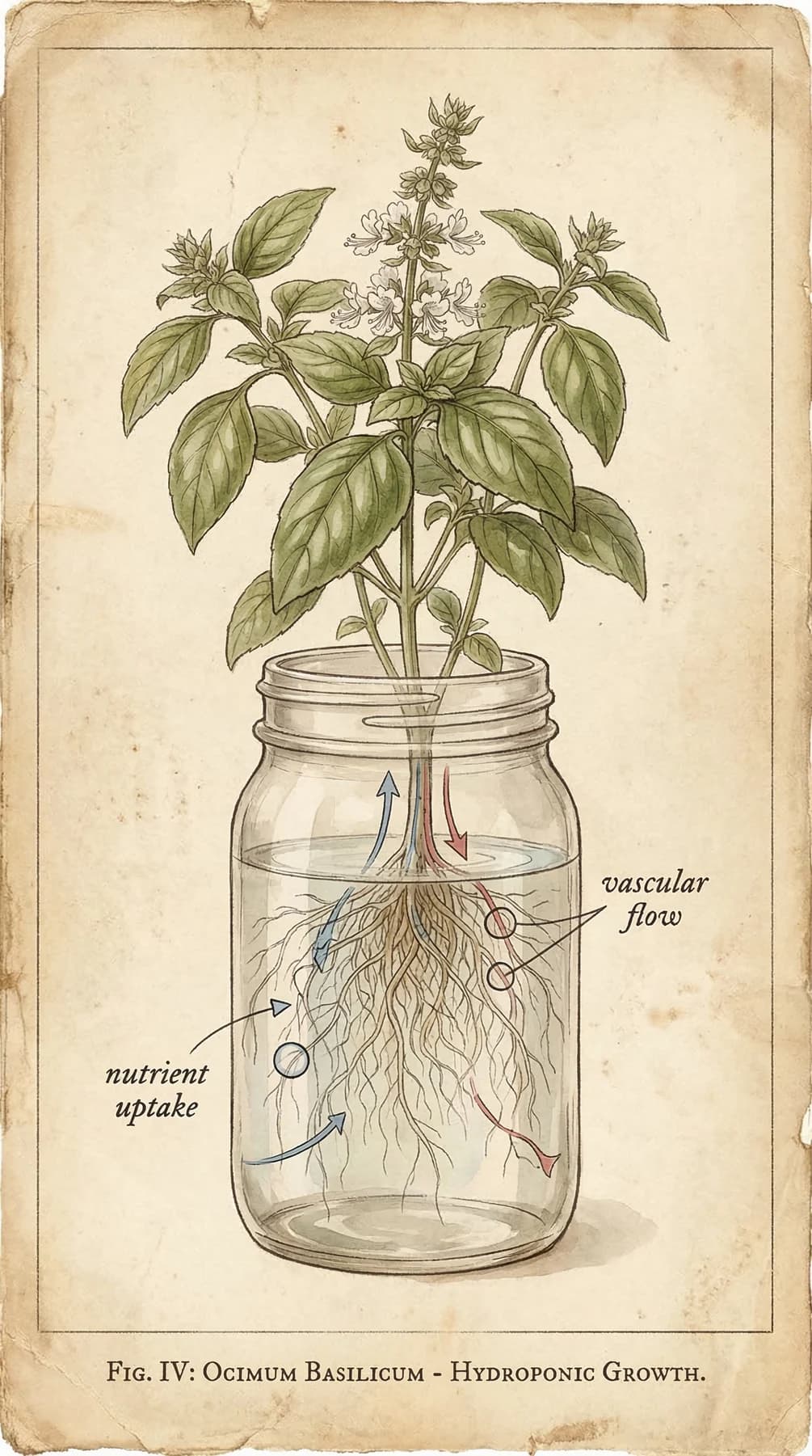
Basil
The King of Herbs
Journey into History
Revered in India since ancient times in the form of sacred Tulsi, it traveled to Europe with spice merchants. Fun fact: during the Renaissance, a pot of basil placed on a windowsill signaled that a woman was ready to receive her suitor!
Culinary Properties
The true soul of Genoese pesto, it pairs perfectly with tomatoes, olive oil, and pasta dishes, while also wonderfully elevating Thai curries.
Medicinal Properties
It is renowned for its powerful anti-inflammatory and antioxidant properties. Additionally, it helps soothe the nervous system and offers remarkable antibacterial benefits.
Journey into History
Revered in India since ancient times in the form of sacred Tulsi, it traveled to Europe with spice merchants. Fun fact: during the Renaissance, a pot of basil placed on a windowsill signaled that a woman was ready to receive her suitor!
Legend : The Monster's Antidote
« During the Middle Ages, basil (from the Greek basilikon, meaning royal) was surrounded by terrifying superstitions. It was believed to be the only plant capable of repelling the dreaded Basilisk, a mythical half-rooster, half-snake monster whose mere glance or breath could kill. To protect themselves, people carried sprigs of this herb, considering it the ultimate antidote to the beast's venom. »
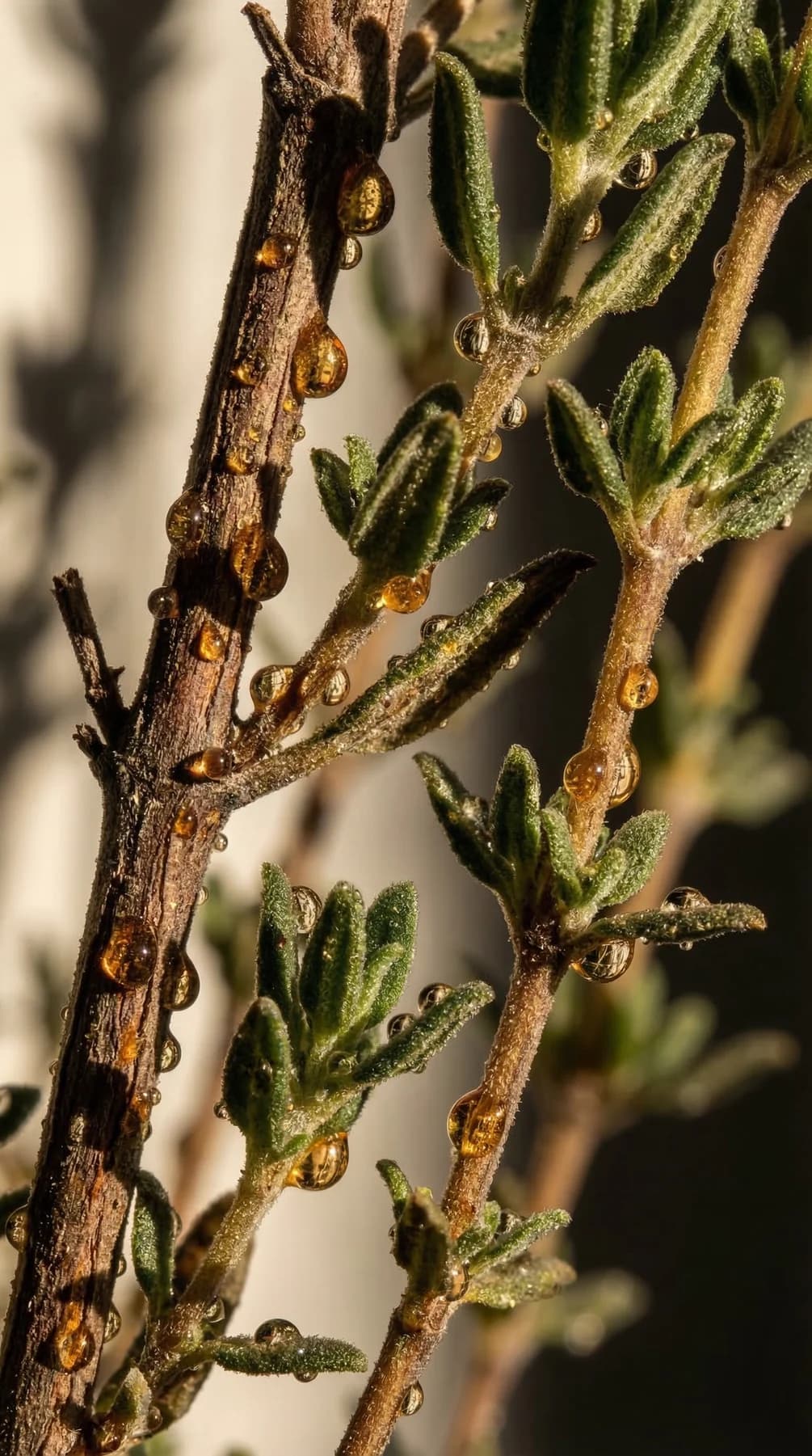
Thyme
The Breath of the Mediterranean
Journey into History
In ancient Egypt, it played a key role in the complex embalming process. Among the Greeks, it was burned as incense in temples (in fact, its name derives from thuo, meaning "to perfume").
Culinary Properties
A true pillar of the bouquet garni, it is absolutely essential for flavoring roasted meats, summer vegetables, marinades, and infused oils.
Medicinal Properties
Thanks to its rich thymol content, it acts as a powerful antiseptic and antiviral. Consumed as an herbal tea, it is the ultimate remedy for coughs, bronchitis, and sore throats.
Journey into History
In ancient Egypt, it played a key role in the complex embalming process. Among the Greeks, it was burned as incense in temples (in fact, its name derives from thuo, meaning "to perfume").
Legend : The Knights' Scarf
« During the Middle Ages, thyme was the absolute symbol of courage. At tournaments or before departing for the crusades, it was customary for noble ladies to gift their knights scarves or ribbons embroidered with sprigs of thyme surrounded by bees. It was firmly believed that the plant conferred indomitable bravery in combat and protected the wearer from fatal wounds. »